
Strategic Calculus
Shehbaz Sharif's China Visit

Strategic Calculus
Shehbaz Sharif's China Visit
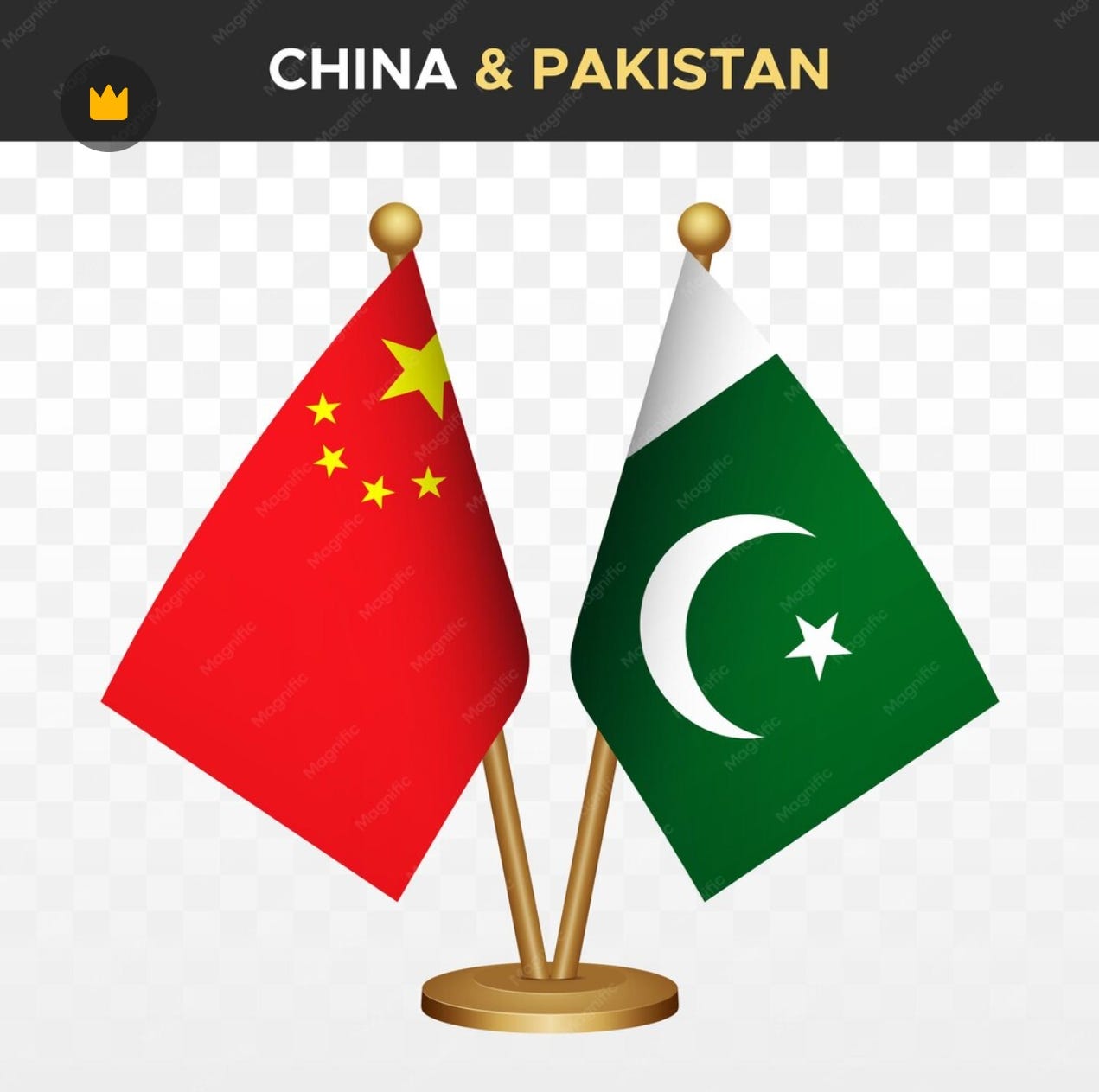
Pakistan Prime Minister Shehbaz Sharif’s visit to China comes at a moment when multiple regional crises are beginning to merge into a single strategic discussion involving CPEC 2.0, Gulf instability, energy security, and the future direction of the Belt and Road Initiative.
From Beijing’s perspective, the visit is about stabilizing overlapping pressure points surrounding the Strait of Hormuz, Pakistan’s fragile economy, and wider regional security risks. China’s position throughout the Gulf crisis has remained notably consistent. Since the March 31 joint five-point peace initiative announced with Pakistan, Beijing has emphasized de-escalation, protection of shipping lanes, negotiations, protection of infrastructure, and adherence to multilateral diplomacy.
The Strait of Hormuz remains central because China’s economic system remains deeply dependent on Gulf energy flows. Any prolonged disruption threatens Chinese industrial supply chains, global trade routes, and already fragile international energy markets. From Beijing’s perspective, the temporary understanding between Washington and Tehran appears less like a final settlement and more like a fragile pause in a broader unresolved confrontation. The core disputes — sanctions, uranium enrichment, frozen Iranian assets, verification mechanisms, naval access, and regional security arrangements (Israel's nuclear weapons) — remain unresolved.
Pakistan appears to believe its position between China, Iran, Saudi Arabia, and the Gulf states gives Islamabad additional leverage with Beijing at a time when Pakistan urgently needs financial assistance and desires support for CPEC 2.0. Islamabad increasingly presents itself not only as an economic partner but also as a strategic intermediary capable of helping stabilize parts of the regional environment surrounding China’s western Belt and Road corridors.
The composition of the Pakistani delegation is therefore significant. The presence not only of the prime minister, but also the deputy prime minister and army leadership, suggests discussions extending far beyond economics into security coordination, regional diplomacy, energy infrastructure, and military cooperation. Recent reporting confirms that approximately 8,000 Pakistani troops and JF-17 fighter jets have been deployed to Saudi Arabia, underscoring Islamabad's willingness to extend strategic depth to Gulf partners in exchange for financial support.
At the center of the economic discussions is CPEC 2.0, the next phase of the China–Pakistan Economic Corridor. The first phase focused heavily on ports, transport corridors, and power generation. The second phase is expected to move toward industrial development, mining, agriculture modernization, logistics integration, technology transfer, and increasingly green infrastructure tied to China’s evolving Belt and Road framework.
While the broader concept of an "ecological civilization" remains an overarching Chinese framework, the tangible driver of the Green BRI in Pakistan is increasingly economic necessity. Facing chronic energy shortages, fiscal pressure, and rising import costs, Islamabad sees Chinese-backed renewable infrastructure—solar technology, battery systems, and electric vehicle manufacturing—as a necessary solution rather than an optional environmental branding exercise.
At the same time, Pakistan’s broader strategic environment remains difficult. Economically the country faces debt pressures, inflation, weak reserves, and continuing dependence on external financing. Militarily tensions continue to simmer along the Afghan border, while political relations with India remain tense. Simultaneously Pakistan has expanded security coordination with Saudi Arabia, contributing to regional speculation that Islamabad may be willing to extend aspects of its strategic deterrence umbrella deeper into parts of the Gulf in exchange for financial support and investment. However, Beijing has not endorsed this speculation. China's views are not clear, but it may regard any nuclear or strategic umbrella arrangements as bilateral matters between Islamabad and Riyadh. Meanwhile Beijing maintains a clear distance from direct military entanglement in Gulf rivalries.
In addition, there is increasing discussion surrounding possible transfers of Pakistani military hardware to Saudi Arabia. Whether fully accurate or partially signaling, such reports add another layer of complexity to Beijing’s calculations. China wants stability across the Gulf and uninterrupted energy flows, but appears determined to avoid direct military entanglement in Middle Eastern rivalries.
This leaves Beijing balancing several objectives simultaneously: preserving stability around the Strait of Hormuz, preventing wider regional war, protecting energy supplies, expanding CPEC 2.0, advancing the Green BRI, and avoiding direct involvement in escalating security confrontations.
China’s consistency throughout the broader Gulf crisis has stood in notable contrast to the daily tactical shifts and public posturing coming from Washington. Beijing’s approach has remained centered on containment, stabilization, and long-term strategic positioning rather than short-term political signaling.
For Pakistan, the visit represents both economic necessity and strategic opportunity. For China, it represents another attempt to maintain regional stability without becoming directly pulled into the conflicts now spreading across the Gulf, South Asia, and the wider Belt and Road space.
Thank you, Prof. Tangen! China is being the "adult in the room" in West Asia affairs while trying to make progress on regional development, in the face of constant, what else can I say - idiocy, from the two aggressors. For an update on the diplomatic situation, see Larry Johnson's latest at https://larrycjohnson.substack.com/p/al-jazeera-claims-the-us-iran-deal